Showing posts with label dementia. Show all posts

Wednesday, 23 January 2019

A scan to predict dementia?

We know that Parkinson's is caused by damage to a small area at the base of the brain known as the Substantia Nigra, which contains cells that produce the chemical messenger dopamine. However, this is not the entire picture, and we believe that other brain structures and chemicals may be involved in causing the variety of different symptoms we see in patients. 

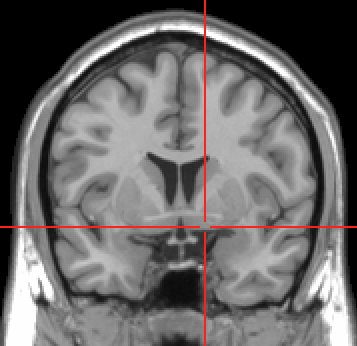
One of the key questions for us in predicting what might happen to patients in the future is whether there is damage that can be found at an early stage, before patients start having problems.  A recent study used hundreds of MRI scans from people with Parkinson's to look at another small structure deep in the brain, named the Nucleus Basalis of Meynert. This is shown in the MRI image below.

https://upload.wikimedia.org/wikipedia/commons/3/36/Substantia_innominata_MRI.PNG
Nucleus Basalis of Meynert
When this team looked at many different brain structures, it was only the size of this part of the brain that could predict whether patients would go on to develop problems with thinking and processing information. This ties in with other work showing this part of the brain plays a key role in different types of dementia as well as our knowledge that a drug which targets the main chemical found in this part of the brain, acetylcholine, is effective in Parkinson's Disease with dementia. 

As researchers continue to put together these kinds of findings, we can develop increasingly accurate ways to predict disease and ultimately ensure that the right people have access to treatments at the earliest stages. 

If you're interested in reading more, here is the link to the article https://academic.oup.com/brain/article/141/5/1501/4944714 

-Anna


Tuesday, 30 October 2018

Preventive Neurology Unit Showcase

Yesterday alongside the launch of the second phase of PREDICT-PD (a new drive to recruit 10'000 participants to the study!) was the showcase of the Preventive Neurology Unit. The Preventive Neurology Unit is a new and exciting unit that is part of the Wolfson Institute at Queen Mary University London. The Wolfson Institute of Preventive Medicine has a proud history of leading the way in terms of cancer prevention and epidemiology with many high impact publications. Now, thanks to Barts Charity, we are trying to replicate some of the successful preventive techniques used in cancer and apply them to neurological diseases.

The showcase yesterday gave the three senior clinical lecturers the opportunity to explain some of their work and objectives as well as hearing from Professor Jack Cuzick and Professor Gavin Giovannoni about their hopes for this new unit.

The showcase began by Dr Charles Marshall explaining his work regarding the benefits and difficulties of diagnosing Alzheimer's disease as early as possible. Current research suggests that amyloid deposits can begin accumulating in patient's brains up to 20 years before they have any symptoms of dementia. This period before symptoms begin would be the ideal time to intervene with medications to prevent the onset of dementia but unfortunately there is no way to easily identify these people. Dr Marshall explained how the use of 'Brain Stress tests' could help to identify patients before they develop any symptoms of dementia and how his work will use these tests to see if people who will go onto develop Alzheimer's dementia can be identified earlier and therefore start treatments sooner.

Next up was Dr Alastair Noyce who explained the PREDICT-PD project which I am sure most readers of this blog are familiar with. Dr Noyce explained how the project evolved from a keyboard tapping test called the BRAIN test and now has 1000 participants who have been taking part over 5 years and will soon have 10'000 participants! The benefits of this research could be huge if we can begin to identify patients who are highly likely to develop Parkinson's before they suffer from any symptoms then we can begin to start trying to prevent Parkinson's in the first place. Dr Noyce also explained some fascinating results about Exenatide (a diabetes medication) which has recently been shown to potentially have some neuroprotective effect in Parkinson's and could be the first disease modifying medication for Parkinson's disease. Medications such as this would be ideal to use in further studies if PREDICT-PD can successfully identify those at high risk of Parkinson's.

The final talk about preventive approaches to Multiple Sclerosis was delivered by Dr Ruth Dobson. The complex links between EBV, childhood obesity and vitamin D levels were examined. Dr Dobson explained some of the intriguing results regarding EBV infection and Multiple Sclerosis and some of the difficulties of interpreting this relationship. The audience was also fascinated to hear about the links between foetal and neonatal vitamin D levels and MS. The main point that Dr Dobson emphasised is that a preventive approach to MS has to happen much earlier than the couple of years prior to diagnosis; the most important potential modifiable risk factors are all in early childhood or potentially in-utero!

Overall the showcase was very successful and the audience provided lots of insightful questions and interesting discussion. It is an exciting time to be working on preventive approaches to neurological disease and yesterday definitely highlighted that.

Thursday, 11 October 2018

Cognitive decline in Parkinson's disease: the impact of the motor phenotype on cognition

This is a nice large study looking at the relationship between different motor features of Parkinson's and having more severe cognitive features.

We already know that patients with a mainly shaky (tremulous) form of Parkinson's tend a run a milder course compared to those patients that have a very slow & stiff (akinetic rigid) form of Parkinson's. For example, patients with the tremulous form of Parkinson's also seem to live for longer than those with the akinetic rigid form. Of course these categories overlap substantially but they are generally well recognised.

Here the researchers show that in patients who tended to be more slow and stiff, scores on a variety of cognitive tests were worse than in the patients that had predominant tremor.

The study design was cross-sectional, which means that movement and cognition were measured at the same time. This means that strict conclusions cannot be drawn about the progression of movement or cognitive abnormalities either separately or together. The explanation for the association between akinetic-rigidity and worse cognition is likely due to involvement of common structures brain (more so than the structures that are involved in tremor), the overall burden of disease (likely to be less in those with predominant tremor), and shared risk factors (including genetic determinants).

- Alastair Noyce

J Neurol Neurosurg Psychiatry. 2018 Oct 8. pii: jnnp-2018-319008. doi: 10.1136/jnnp-2018-319008.

Wojtala J, Heber IA, Neuser P, Heller J, Kalbe E, Rehberg SP, Storch A, Linse K, Schneider C, Gräber S, Berg D, Dams J, Balzer-Geldsetzer M, Hilker-Roggendorf R, Oberschmidt C, Baudrexel S, Witt K, Schmidt N, Deuschl G, Mollenhauer B, Trenkwalder C, Liepelt-Scarfone I, Spottke A, Roeske S, Wüllner U, Wittchen HU, Riedel O, Dodel R, Schulz JB, Reetz K.

https://jnnp.bmj.com/content/early/2018/10/07/jnnp-2018-319008.long

OBJECTIVES: Parkinson's disease (PD) is the second most common neurodegenerative disorder and is further associated with progressive cognitive decline. In respect to motor phenotype, there is some evidence that akinetic-rigid PD is associated with a faster rate of cognitive decline in general and a greater risk of developing dementia.The objective of this study was to examine cognitive profiles among patients with PD by motor phenotypes and its relation to cognitive function.

METHODS: Demographic, clinical and neuropsychological cross-sectional baseline data of the DEMPARK/LANDSCAPE study, a multicentre longitudinal cohort study of 538 patients with PD were analysed, stratified by motor phenotype and cognitive syndrome. Analyses were performed for all patients and for each diagnostic group separately, controlling for age, gender, education and disease duration.

RESULTS: Compared with the tremor-dominant phenotype, akinetic-rigid patients performed worse in executive functions such as working memory (Wechsler Memory Scale-Revised backward; p=0.012), formal-lexical word fluency (p=0.043), card sorting (p=0.006), attention (Trail Making Test version A; p=0.024) and visuospatial abilities (Leistungsprüfungssystem test 9; p=0.006). Akinetic-rigid neuropsychological test scores for the executive and attentive domain correlated negatively with non-tremor motor scores. Covariate-adjusted binary logistic regression analyses showed significant odds for PD-mild cognitive impairment for not-determined as compared with tremor-dominant (OR=3.198) and akinetic-rigid PD (OR=2.059). The odds for PD-dementia were significant for akinetic-rigid as compared with tremor-dominant phenotype (OR=8.314).

CONCLUSION: The three motor phenotypes of PD differ in cognitive performance, showing that cognitive deficits seem to be less severe in tremor-dominant PD. While these data are cross-sectional, longitudinal data are needed to shed more light on these differential findings.

Friday, 22 June 2018

Another one bites the dust

This week’s medical journal, The Lancet, carries an editorial about the latest spate of anti-Alzheimer’s trials that have been stopped early. Two of the biggest pharmaceutical companies in the world, AstraZeneca and Eli Lilly, have announced that they have stopped phase 3 trials of a new kind of treatment called BACE inhibitors (β-amyloid precursor protein cleaving enzyme inhibitors). These studies were designed on the back of good evicence that they might work, and indeed the compounds have made it all the way to phase 3 trials – a large number of individuals with Alzheimer’s being given either the compound or placebo. These trials are hugely costly to run, and so typically, the drug companies and financial investors, tend to only back what they think will be a winning horse.
This year brings more disappointment for the Alzheimer’s community, Janssen stopped a BACE inhibitor trial in May, and Merck pulled their BACE inhibitor trial in February. 

The editorial comments that although these studies have been stopped frequently because an early look at the data suggest no meaningful effect, so no point in continuing the study, it is not necessarily the end of the road for these treatments, but that the prodromal phase of Alzheimer’s may be where the treatments will work.

I fear that the Parkinson’s world should ready ourselves for a similar journey. The road may be long, and fraught with disappointments, but the goal remains to develop a safe and effective treatment to stop or slow down Parkinson’s. Each failure does not sound the death knell, and each time we, as a global Parkinson’s community, must learn as much as we can from the failures to increase our chances of success. A vital lesson to learn from the Alzheimer’s world, is that established disease is likely to be a case of “too little, too late”. 

RNR

Alzheimer's disease research: the future of BACE inhibitors
Talha Burki


Friday, 30 March 2018

Keep it simple..

Predictive medicine is becoming increasingly complex, with predictive models which incorporate both clinical information and a huge range of biomarkers. Biomarkers commonly used in neurodegenerative disease include molecules in bodily fluids such as saliva, blood and spinal fluid and genetic data from these sources, scans for both structural aspects of the brain and molecular studies which can quantify the amount of protein build up in the brain. These biomarkers vary in how invasive and risky they are to collect and while they may help us understand the disease process, many people are uncomfortable with going through an invasive procedure such as lumbar puncture. 

The basis of the current PREDICT-PD model is to use participant survey to collect clinical information to predict risk. The study below, from a team in Quebec, also uses a clinical approach. They looked at a group of people with Parkinsons' disease and used an 8 item scoring scale including age, evidence of cognitive impairment at baseline, motor features such as freezing or falls, drop in blood pressure on standing and features of rapid eye movement sleep behaviour disorder. 

Interestingly, the predictive value of this model seems to be as good as studies which include biomarker values such as amyloid protein levels in the spinal fluid. Biomarker studies in this area will continue to be important, especially as they hold the hope of elucidating the molecular processes which can be interrupted to disrupt the progression of disease. But this is a good reminder of the power that can be harnessed from information which is available simply by asking questions of and examining our patients. 

-Anna


Office-Based Screening for Dementia in Parkinson Disease: The Montreal Parkinson Risk of Dementia Scale in 4 Longitudinal Cohorts.
IMPORTANCE:
Parkinson disease dementia dramatically increases mortality rates, patient expenditures, hospitalization risk, and caregiver burden. Currently, predicting Parkinson disease dementia risk is difficult, particularly in an office-based setting, without extensive biomarker testing.
OBJECTIVE:
To appraise the predictive validity of the Montreal Parkinson Risk of Dementia Scale, an office-based screening tool consisting of 8 items that are simply assessed.
DESIGN, SETTING, AND PARTICIPANTS:
This multicenter study (Montreal, Canada; Tottori, Japan; and Parkinson Progression Markers Initiative sites) used 4 diverse Parkinson disease cohorts with a prospective 4.4-year follow-up. A total of 717 patients with Parkinson disease were recruited between May 2005 and June 2016. Of these, 607 were dementia-free at baseline and followed-up for 1 year or more and so were included. The association of individual baseline scale variables with eventual dementia risk was calculated. Participants were then randomly split into cohorts to investigate weighting and determine the scale's optimal cutoff point. Receiver operating characteristic curves were calculated and correlations with selected biomarkers were investigated.
MAIN OUTCOMES AND MEASURES:
Dementia, as defined by Movement Disorder Society level I criteria.
RESULTS:
Of the 607 patients (mean [SD] age, 63.4 [10.1]; 376 men [62%]), 70 (11.5%) converted to dementia. All 8 items of the Montreal Parkinson Risk of Dementia Scale independently predicted dementia development at the 5% significance level. The annual conversion rate to dementia in the high-risk group (score, >5) was 14.9% compared with 5.8% in the intermediate group (score, 4-5) and 0.6% in the low-risk group (score, 0-3). The weighting procedure conferred no significant advantage. Overall predictive validity by the area under the receiver operating characteristic curve was 0.877 (95% CI, 0.829-0.924) across all cohorts. A cutoff of 4 or greater yielded a sensitivity of 77.1% (95% CI, 65.6-86.3) and a specificity of 87.2% (95% CI, 84.1-89.9), with a positive predictive value (as of 4.4 years) of 43.90% (95% CI, 37.76-50.24) and a negative predictive value of 96.70% (95% CI, 95.01-97.85). Positive and negative likelihood ratios were 5.94 (95% CI, 4.08-8.65) and 0.26 (95% CI, 0.17-0.40), respectively. Scale results correlated with markers of Alzheimer pathology and neuropsychological test results.
CONCLUSIONS AND RELEVANCE:
Despite its simplicity, the Montreal Parkinson Risk of Dementia Scale demonstrated predictive validity equal or greater to previously described algorithms using biomarker assessments. Future studies using head-to-head comparisons or refinement of weighting would be of interest.

Thursday, 25 January 2018

On the road to nowhere


This week brings the publication of the (much-anticipated) EXPEDITION 3 study. This reports the results of a very large drug trial of a drug that is hoped to reduce the progression of Alzheimer’s disease. As you might be able to tell by the name, it has been preceded by two previous similar studies.

What is unique about this study? Firstly, the people involved all had ‘early’ Alzheimer’s disease. Secondly, participants had to have ‘evidence’ of Alzheimers pathology – this is key because in the previous studies although all the participants had dementia, a significant number ended up having dementia of another cause.

What are the other notable aspects of the design? The scales they used assessed ‘everyday’ performance (as best as a validated scale can), rather than an abstract cognitive assessment; the study compared cognitive performace after 18 months of treatment, which is a reasonable time given the tradeoff of the cost of a trial such as this, and the rate of progression of the disease.

What are the results? Unfortunately, there was no significant difference when comparing the two groups after 18 months.

There are many lessons for researchers in the Parkinson’s world to learn from this study. A potential reason for failure is that even at the stage of ‘mild’ dementia, there may be too much ‘toxic protein’ in the brain for the process to be reversed, or slowed. To overcome this would require recruiting people with evidence of the disease, but without symptoms. Fortunately, this is exactly whom we hope to identify in PREDICT-PD. Another potential reason for the failure of this drug in three trials is that with solenizumab, they’re barking up the wrong tree. The drug has been specifically designed to reduce the amount of abnormal amyloid protein in the brain. However, although there is strong evidence for the Amyloid Hypothesis, the lack of efficacy of anti-amyloid treatments has brought many in the field to challenge the concept. In Parkinson’s there is less doubt over the Synuclein Hypothesis, and the challenge remains to find a compound that can reduce it, or stop it accumulating and causing brain destruction.

RNR

Trial of Solanezumab for Mild Dementia Due to Alzheimer’s Disease


Abstract
BACKGROUND
Alzheimer’s disease is characterized by amyloid-beta (Aβ) plaques and neurofibrillary tangles. The humanized monoclonal antibody solanezumab was designed to increase the clearance from the brain of soluble Aβ, peptides that may lead to toxic effects in the synapses and precede the deposition of fibrillary amyloid.
METHODS
We conducted a double-blind, placebo-controlled, phase 3 trial involving patients with mild dementia due to Alzheimer’s disease, defined as a Mini–Mental State Examination (MMSE) score of 20 to 26 (on a scale from 0 to 30, with higher scores indicating better cognition) and with amyloid deposition shown by means of florbetapir positron-emission tomography or Aβ1-42 measurements in cerebrospinal fluid. Patients were randomly assigned to receive solanezumab at a dose of 400 mg or placebo intravenously every 4 weeks for 76 weeks. The primary outcome was the change from baseline to week 80 in the score on the 14-item cognitive subscale of the Alzheimer’s Disease Assessment Scale (ADAS-cog14; scores range from 0 to 90, with higher scores indicating greater cognitive impairment).
RESULTS
A total of 2129 patients were enrolled, of whom 1057 were assigned to receive solanezumab and 1072 to receive placebo. The mean change from baseline in the ADAS-cog14 score was 6.65 in the solanezumab group and 7.44 in the placebo group, with no significant between-group difference at week 80 (difference, −0.80; 95% confidence interval, −1.73 to 0.14; P=0.10). As a result of the failure to reach significance with regard to the primary outcome in the prespecified hierarchical analysis, the secondary outcomes were considered to be descriptive and are reported without significance testing. The change from baseline in the MMSE score was −3.17 in the solanezumab group and −3.66 in the placebo group. Adverse cerebral edema or effusion lesions that were observed on magnetic resonance imaging after randomization occurred in 1 patient in the solanezumab group and in 2 in the placebo group.
CONCLUSIONS
Solanezumab at a dose of 400 mg administered every 4 weeks in patients with mild Alzheimer’s disease did not significantly affect cognitive decline. (Funded by Eli Lilly; EXPEDITION3 ClinicalTrials.gov number, NCT01900665.)


Friday, 12 January 2018

Sniffing around for answers

We are somewhat preoccupied with smell at PREDICT-PD; smell loss is one of the most sensitive risk factors for development of Parkinson's - although it is non specific and may be seen in a number of conditions. It is particularly interesting as it can be studied non-invasively and remotely. While self-reported smell loss is less reliable, objective tests such as the University of Pennsylvania Smell Idenfification Test (UPSIT) have a high degree of accuracy and can be completed at home by research participants. 

This recognition sits well with the finding from post-mortem studies that there are early pathological changes in the olfactory bulb, the area just above the nose which receives smell inputs. The progressive brain changes in Parkinsons, defined by pathologist Heiko Braak, are now known as Braak stages, and the earliest stage, Braak stage 1 involves olfactory bulb involvement.


While smell loss is well characterised, its link with other features and particularly cognitive changes in in Parkinson's is less well explored. Smell loss is also associated with Alzheimer's so it wouldn't be surprising if it was also linked to cognitive changes in Parkinson's. The study below, from researchers in South Korea, looked at the relationship between these two features. 

They took a group of people just diagnosed with Parkinson's and compared those with cognitive impairment to those without, showing poorer smell in all aspects of the smell tests in patients with cognitive impairment. In many ways, this goes against the 'Braak hypothesis' which posits that pathology in the higher cortical areas and the cognitive impairment which goes with it is a later phenomenon. It would be interesting to see if smell loss was particularly associated with specific domains of cognition and the areas more directly connected with the olfactory bulb.  

As we have previously mentioned, cognitive impairment may be related to many underlying pathologies and it may be that the pathology described in Braak staging is not primarily responsible for cognitive impairment in Parkinson's. Certainly more work is needed in this area to tease out these relationships. 

-Anna


Parkinsonism Relat Disord. 2018 Jan;46:69-73. doi: 10.1016/j.parkreldis.2017.11.334. Epub 2017 Nov 14.

Olfactory dysfunctions in drug-naïve Parkinson's disease with mild cognitive impairment.
Park JW, Kwon DY, Choi JH, Park MH, Yoon HK.
BACKGROUND:
Evaluation of olfactory function is valuable for the detection of pre-motor state of Parkinson's disease (PD). PD patients have an increased risk of associated dementia and one-third of PD patients have mild cognitive impairment (MCI) at the time of diagnosis. However, the characteristics of olfactory dysfunction in PD-MCI patients are unclear. This study examined the relationship between olfactory dysfunction and cognitive function in drug-naïve PD at the time of diagnosis with the patterns of olfactory function in PD-MCI patients using the Korean version of the Sniffin' stick test II (KVSS II).METHODS:
A total of 66 drug-naïve PD patients were enrolled. A neuropsychiatric assessment battery and KVSS II were performed. For the statistical analyses, univariate, multivariable linear regression and Student's t-test were used to determine the relationship between the variables and olfactory function.RESULTS:
Olfactory dysfunction was more prevalent in the PD-MCI group than in the PD-normal cognition (PD-CN) group. Each domains of odor threshold, discrimination, identification and total olfactory score were more impaired in the PD-MCI group than the PD-CN group. Whether cognitive impairment was single or multiple domain was not affected.CONCLUSION:
PD-MCI is more likely to be associated with severe olfactory impairment than PD-CN. There may be more extensive neurodegenerative processes affecting olfaction in PD-MCI patients. With further investigation and validation using neuropathological data, an objective olfactory function test could be used as a tool to evaluate disease progression. Further studies with prospective design investigating the prognostic value of olfactory dysfunction in PD-MCI patients are essential.

Wednesday, 29 November 2017

Food for thought


The race is on, and waiting for the start gun is a loser’s strategy!

At least this is true in the race to beat neurodegenerative diseases such as Alzheimer’s disease or Parkinson’s. Many studies to stop or slow these conditions have failed when they recruit people with established disease. By this point the disease-causing proteins (β-amyloid and tau in the case of Alzheimer’s and α-synuclein in the case of Parkinson’s) are too widespread for benefit to be noticeable. The best metaphor I’ve heard is that it is easier to blow out a match than put out a forest fire.
This week sees the open access publication of a nutritional supplement for prodromal Alzheimer’s disease. Participants were recruited if they fulfilled one of the internationally agreed definitions of Prodromal Alzheimers. To do this they needed some memory impairment that wasn’t severe enough to impact on their daily life, and some other evidence of underlying Alzheimer’s. This could be MRI, amyloid-specific PET scans or spinal fluid findings supportive of Alzheimer’s. Participants either drank a nutritional supplement, that has been designed to give large doses of micronutrients that theoretically counteract some of the damage caused by Alzheimers, or a similar tasting placebo drink. They had neuropsychological assessments at 6 months, 1 year and 2 years from the start.
Unfortunately, this study didn’t reach its primary endpoint of improved composite scores of the neuropsychological testing. However, it also had several secondary outcomes, and they did find that the people taking the supplement had a relative preservation of the hippocampal volume on MRI scans after 2 years compared to those taking placebo. The hippocampus is a brain structure that is central to memory, and is usually found to be shrunken in brain scans of people with Alzheimer’s.
So is this study the death knell for the supplement, especially after studies of its effects in people with established disease also failed to meet their primary target? Well, not necessarily. This study used ‘surrogate outcome measures’. The real question in disease preventing trials is: did the intervention prevent the disease? When dealing with a ‘prodromal’ or ‘prediagnostic’ condition, this might take many years. Clinical trials are incredibily expensive and labour intensive to run and so often use surrogate measures to shorten the duration of the study. This is akin to saying “I can run a mile in 5 minutes, therefore I can run a marathon in 2 hours 10 minutes.” This is misleading, as the two are not necessarily compatible enough to know that performance in one test is indicative of the other. Secondly, the fact that there was less shrinking of a key, and relevant, brain structure suggests that there might be some benefit. There are extension studies that are ongoing and data will be published when those are complete. We eagerly await their results.
As a final thought, this study lends strong support to our endeavours at PREDICT-PD, and those of others around the world. There is a strong desire to get a robust method of diagnosing Parkinson’s. This is not just an abstract academic exercise, but is of key concern to the public and pre-diagnostic states are being carefully examined by industry too. It is essential to bring together all three groups of stakeholders if we are to succeed in our fight against these neurodegenerative diseases.

RNR


Soininen H, Solomon A, Visser PJ, Hendrix SB, Blennow K, Kivipelto M, et al. 24-month intervention with a specific multinutrient in people with prodromal Alzheimer's disease (LipiDiDiet): a randomised, double-blind, controlled trial. The Lancet Neurology. 2017 Dec;16(12):965–75. 


BACKGROUND:Nutrition is an important modifiable risk factor in Alzheimer's disease. Previous trials of the multinutrient Fortasyn Connect showed benefits in mild Alzheimer's disease dementia. LipiDiDiet investigated the effects of Fortasyn Connect on cognition and related measures in prodromal Alzheimer's disease. Here, we report the 24-month results of the trial.

METHODS:LipiDiDiet was a 24-month randomised, controlled, double-blind, parallel-group, multicentre trial (11 sites in Finland, Germany, the Netherlands, and Sweden), with optional 12-month double-blind extensions. The trial enrolled individuals with prodromal Alzheimer's disease, defined according to the International Working Group (IWG)-1 criteria. Participants were randomly assigned (1:1) to active product (125 mL once-a-day drink containing Fortasyn Connect) or control product. Randomisation was computer-generated centrally in blocks of four, stratified by site. All study personnel and participants were masked to treatment assignment. The primary endpoint was change in a neuropsychological test battery (NTB) score. Analysis was by modified intention to treat. Safety analyses included all participants who consumed at least one study product dose. This trial is registered with the Dutch Trial Register, number NTR1705.

FINDINGS:Between April 20, 2009, and July 3, 2013, 311 of 382 participants screened were randomly assigned to the active group (n=153) or control group (n=158). Mean change in NTB primary endpoint was -0·028 (SD 0·453) in the active group and -0·108 (0·528) in the control group; estimated mean treatment difference was 0·098 (95% CI -0·041 to 0·237; p=0·166). The decline in the control group was less than the prestudy estimate of -0·4 during 24 months. 66 (21%) participants dropped out of the study. Serious adverse events occurred in 34 (22%) participants in the active group and 30 (19%) in control group (p=0·487), none of which were regarded as related to the study intervention.

INTERPRETATION:The intervention had no significant effect on the NTB primary endpoint over 2 years in prodromal Alzheimer's disease. However, cognitive decline in this population was much lower than expected, rendering the primary endpoint inadequately powered. Group differences on secondary endpoints of disease progression measuring cognition and function and hippocampal atrophy were observed. Further study of nutritional approaches with larger sample sizes, longer duration, or a primary endpoint more sensitive in this pre-dementia population, is needed.


FUNDING:European Commission 7th Framework Programme.
Mild Parkinsonian Signs in a Community Population

One question that many of the PREDICT-PD participants ask me is “I am slower than I used to be, does it mean that I am getting Parkinson’...