Showing posts with label prediction. Show all posts

Friday, 17 April 2020

Patients’ views on the ethical challenges of early PD detection

I read this paper this morning and thought it represented an important step forward in our understanding of this delicate issue

Many of us are working on risk factors of Parkinson's and early identification strategies, but what do patients with PD think about finding out they were at risk before the point of diagnosis? Here the authors surveyed >100 patients with PD and found interesting results. 

More than half would not have wanted to know that they were at risk if there was no medical treatment that could be offered prior to diagnosis... but this number dropped to 15% if there were lifestyle changes that one could make to reduce risk.

10% of patients thought disclosure of being high risk should never happen before diagnosis, but about a quarter (23%) thought that such disclosures should be made. The largest proportion of patients thought that it depended on what an individual wants to know. This personal preference is something that we considered in a paper last year focussed on Early vs Timely diagnosis (link here).

These issues are fundamental to arriving at a point where we have early identification strategies, either lifestyle or medical, and a real preventive approach to neurodegenerative disease. There is an awful lot of work that needs to be done and we require 'buy-in' and commitment from patients, the public, primary care, public health, policymakers and research. Our Time Matters initiative launched last year covers the various requirements to make Preventive Neurology a reality, and studies such as the one outlined here are examples of things that will take us further forward...

- Alastair


Monday, 18 March 2019

Crying out for a new biomarker

The hunt for a biomarker for Parkinson's has led researchers to investigate a lot of different bodily fluids and techniques! A biomarker is a test that can diagnose Parkinson's, at the moment the only way to diagnose Parkinson's is by using your eyes and your ears. Previously people have tested blood, CSF (the fluid around your brain), skin, saliva, MRI scans, skin samples and even samples of colon. But this pilot study is about a potential location for a biomarker that I had not yet heard of: Tears.

Its well known already that people with Parkinson's have reduced amounts of tears and a lower blink rate. And the researchers point out the the nerves that control the tear gland (lacrimal gland) connect to the brainstem. The brainstem is where a lot of the changes in early Parkinson's take place.

In this study they took 36 people with Parkinson's and 18 healthy people without Parkinson's and collected their tears by using some filter paper to absorb them. They then extracted the proteins from the collected tears.

They found that the Parkinson's participants had a smaller volume of tears but the protein concentration in the tears was about the same as healthy controls. They also identified 21 proteins that people with Parkinson's had significantly higher amounts of and 19 that were significantly reduced in Parkinson's too.

This is only a very small pilot study so we need some further studies in larger groups of patients before we draw any conclusions. But tears are a very attractive biomarker simply because they are so accessible. So this is definitely one to keep in mind and watch out for any further studies about.


Parkinsonism Relat Disord. 2019 Mar 6. pii: S1353-8020(19)30094-X. doi:
Proteomic analysis of tear fluid reveals disease-specific patterns in patients with Parkinson's disease - A pilot study.
Boerger M1, Funke S2, Leha A3, Roser AE4, Wuestemann AK5, Maass F6, Bähr M7, Grus F8, Lingor P9.
Abstract
BACKGROUND:
The diagnosis of Parkinson's disease (PD) is still challenging and biomarkers could contribute to an improved diagnostic accuracy. Tear fluid (TF) is an easily accessible body fluid reflecting pathophysiological changes in systemic and ocular diseases and is already used as a biomarker source for several ophthalmological disorders. Here, we analyzed the TF of patients with PD and controls (CTR) to describe disease-related changes in TF and identify putative biomarkers for the diagnosis of PD.
METHODS:
Unstimulated TF samples of a pilot cohort with 36 PD patients and 18 CTR were collected via Schirmer tear test strips and then analyzed via a Bottom-up liquid chromatography electrospray ionization tandem mass spectrometry (BULCMS) workflow, followed by functional analysis encompassing protein-protein interaction as well as cellular component and pathway analysis.
RESULTS:
BULCMS analysis lead to the identification of 571 tear proteins (false discovery rate, FDR < 1%), whereby 31 proteins were exclusively detected in the PD group and 7 only in the CTR group. Whereas 21 proteins were significantly increased in the PD versus CTR groups, 19 proteins were significantly decreased. Core networks of proteins involved in immune response, lipid metabolism and oxidative stress were distinctly altered in PD patients.
CONCLUSIONS:
To our best knowledge, this is the first description of TF proteome in PD patients. Tear protein level alterations suggest the contribution of different disease-related mechanisms in ocular pathology in PD and propose candidate proteins to be validated as potential biomarkers in larger cohorts.

Wednesday, 6 March 2019

PLAIN ENGLISH: Organ transplants and risk of Parkinson's


This is another interesting study borne out of large USA health insurance databases (Medicare database). The team from Washington noticed, whilst using the same data to see if they could identify people at high risk of Parkinson’s, that people with Parkinson’s were less likely to have received an organ transplant than someone without Parkinson’s. This implies that people who have had organ transplants have a reduced risk of Parkinson’s. They decided to investigate this further because it could important implications in developing a medication to prevent Parkinson’s.

They identified 94,155 people with Parkinson’s and then they randomly selected 118,295 people without Parkinson’s in a similar age group. Overall 278 people with Parkinson’s had also had a tissue transplant and 302 of the people without Parkinson’s had a tissue transplant. They found that the odds of having Parkinson’s after a tissue transplant were reduced.

It’s unclear what is causing this effect but one of the possibilities is the medication that transplant patients are on. People who have received transplants are usually started on medication that lowers the body’s immune system to prevent the body rejecting the transplant. It is possible that these medications could be protecting the brain in some way from Parkinson’s. Unfortunately we cannot be sure at the moment and more research is needed to understand the science underlying this!


Parkinsonism Relat Disord. 2019 Feb 14. pii: S1353-8020(19)30059-8. doi: 10.1016/j.parkreldis.2019.02.013. [Epub ahead of print]

Transplant and risk of Parkinson disease.
Fan J1, Searles Nielsen S2, Faust IM3, Racette BA4.
Author information
Abstract
INTRODUCTION:
The pathophysiology of Parkinson's disease (PD) remains unclear, but growing evidence supports a role of neuroinflammation. The purpose of this study was to investigate the association between tissue transplantation and PD risk, given the importance of immunosuppressants in post-transplant management.
METHODS:
We performed a case-control study among Medicare beneficiaries age 66-90 using claims from 2004 to 2009. We used International Classification of Diseases, Ninth Edition (ICD-9) and Current Procedural Terminology (CPT) codes to identify PD (89,790 incident cases, 118,095 population-based controls) and history of tissue transplant (kidney, heart, liver, lung, and bone marrow). We investigated risk of PD in relation to tissue transplant in logistic regression models, adjusting for age, sex, race, smoking, and overall use of medical care.
RESULTS:
Beneficiaries who had received a tissue transplant at least five years prior to PD diagnosis or reference had a lower risk of PD (odds ratio [OR] 0.63, 95% confidence interval [CI] 0.53, 0.75) than those without tissue transplant. This inverse association was observed for kidney (OR 0.63, 95% CI 0.47, 0.84), heart (OR 0.58, 95% CI 0.40, 0.83), lung (OR 0.41, 95% CI 0.21, 0.77), and bone marrow (OR 0.57, 95% 0.38, 0.85) transplants. Associations were attenuated, but remained, following adjustment for indications for the respective type of transplant. Liver transplant was not associated with PD risk.
CONCLUSIONS:
Patients undergoing tissue transplant may have a lower risk of developing PD than the general population. Further studies are needed to determine if this association is causal and if immunosuppressants mediate this association.

Tuesday, 26 February 2019

PLAIN ENGLISH - Risk scoring for future Parkinson's in General Practice Records

It has been a quiet month on the blog, but it is a consequence of us working hard, rather than having too much leisure time 😇

In this post we are looking at some of our own work, led by Professor Anette Schrag from the PREDICT-PD study.

Here Anette and colleagues looked at routinely collected data from General Practice medical records. They identified >8000 people who had been diagnosed with Parkinson's and >46,000 people who had not been diagnosed with Parkinson's. Then they looked back in time (in the records) to build a risk score based on the various events that occurred prior to the diagnosis of Parkinson's. As we have reported previously on this blog, things like tremor, constipation, depression, and urinary problems (and many more things) contributed to the score. The scoring process worked well overall. 

Of course we do something very similar in the PREDICT-PD, except here people take part online and answer questionnaires and complete online tests that all contribute to an individual score... we are actively recruiting and you can take part at predictpd.com.

- Alastair Noyce


Predicting diagnosis of Parkinson's disease: A risk algorithm based on primary care presentations.
Mov Disord. 2019 Feb 8. doi: 10.1002/mds.27616. [Epub ahead of print] 

Schrag A, Anastasiou Z, Ambler G, Noyce A, Walters K. 

BACKGROUND: Diagnosis of Parkinson's disease (PD) is typically preceded by nonspecific presentations in primary care. OBJECTIVES: The objective of this study was to develop and validate a prediction model for diagnosis of PD based on presentations in primary care. 

SETTING: The settings were general practices providing data for The Health Improvement Network UK primary care database. 

METHODS: Data from 8,166 patients aged older than age 50 years with incident diagnosis of PD and 46,755 controls were analyzed. Likelihood ratios, sensitivity, specificity, and positive and negative predictive values for individual symptoms and combinations of presentations were calculated. An algorithm for risk of diagnosis of PD within 5 years was calculated using multivariate logistic regression analysis. Split sample analysis was used for model validation with a 70% development sample and a 30% validation sample. 

RESULTS: Presentations independently and significantly associated with later diagnosis of PD in multivariate analysis were tremor, constipation, depression or anxiety, fatigue, dizziness, urinary dysfunction, balance problems, memory problems and cognitive decline, hypotension, rigidity, and hypersalivation. The discrimination and calibration of the risk algorithm were good with an area under the curve of 0.80 (95% confidence interval 0.78-0.81). At a threshold of 5%, 37% of those classified as high risk would be diagnosed with PD within 5 years and 99% of those who were not classified as high risk would not be diagnosed with PD. 

CONCLUSION: This risk algorithm applied to routine primary care presentations can identify individuals at increased risk of diagnosis of PD within 5 years to allow for monitoring and earlier diagnosis of PD. 


Percentage patients with Parkinson's and non-patients with various potential early symptoms.

© 2019 The Authors. Movement Disorders published by Wiley Periodicals, Inc. on behalf of International Parkinson and Movement Disorder Society.

Wednesday, 23 January 2019

A scan to predict dementia?

We know that Parkinson's is caused by damage to a small area at the base of the brain known as the Substantia Nigra, which contains cells that produce the chemical messenger dopamine. However, this is not the entire picture, and we believe that other brain structures and chemicals may be involved in causing the variety of different symptoms we see in patients. 

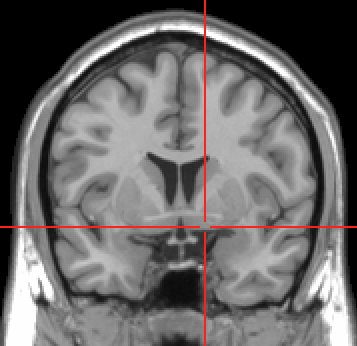
One of the key questions for us in predicting what might happen to patients in the future is whether there is damage that can be found at an early stage, before patients start having problems.  A recent study used hundreds of MRI scans from people with Parkinson's to look at another small structure deep in the brain, named the Nucleus Basalis of Meynert. This is shown in the MRI image below.

https://upload.wikimedia.org/wikipedia/commons/3/36/Substantia_innominata_MRI.PNG
Nucleus Basalis of Meynert
When this team looked at many different brain structures, it was only the size of this part of the brain that could predict whether patients would go on to develop problems with thinking and processing information. This ties in with other work showing this part of the brain plays a key role in different types of dementia as well as our knowledge that a drug which targets the main chemical found in this part of the brain, acetylcholine, is effective in Parkinson's Disease with dementia. 

As researchers continue to put together these kinds of findings, we can develop increasingly accurate ways to predict disease and ultimately ensure that the right people have access to treatments at the earliest stages. 

If you're interested in reading more, here is the link to the article https://academic.oup.com/brain/article/141/5/1501/4944714 

-Anna


Mild Parkinsonian Signs in a Community Population

One question that many of the PREDICT-PD participants ask me is “I am slower than I used to be, does it mean that I am getting Parkinson’...