Monday, 4 December 2017

Patient and Public Involvement

Here at PREDICT-PD we  are very keen to ensure we are not just answering abstract questions, but are focussing on the needs on the Parkinson's community. It was a real pleasure to meet with an engaged and dynamic group of people with Parkinson's and a representative of the Cure Parkinson's Trust. 

Together, we will ensure that our research is always focussing on what is important: how can we beat Parkinson's? We shared our frustrations that despite the effort that is spent on medical research, we still have so far to go to realise our goal. The scientific method is one of small steps and incremental advances. 

Hand-in-hand with this process of understanding the disease in order to create new treatments, are 'fast-track' processes, such as the Linked Trials Initiative, which the Cure Parkinson's Trust is involved with. The Linked  Clinical Trials initiative has reviewed the literature to identify 10 drugs that are already licensed for other conditions, such as statins for heart health, exenatide for diabetes and others, and assessed their likelihood to be effective in the fight against Parkinson's, based on sound biological plausibility and early experimental data. 

This initiative fits wonderfully with the aims of PREDICT-PD. These compounds may be shown to be effective in established Parkinson's, but just as blowing out a candle is easier than putting out a forest fire, so too changing the course of Parkinson's is likely to be easier and potentially more effective if it is done before the onset of the motor symptoms of the condition. 

So, I personally look forward to meeting this group again, being challenged by their insightful questions, being inspired by their experiences and being motivated by their desire for answers!

RNR

ncbi.nlm.nih.gov/pmc/articles/PMC4318242/

Linked Clinical Trials – The Development of New Clinical Learning Studies in Parkinson’s Disease Using Screening of Multiple Prospective New Treatments

Brundin P, Barker RA, Conn PJ, Dawson TM, Kieburtz K, Lees AJ, et al. Linked Clinical Trials – The Development of New Clinical Learning Studies in Parkinson’s Disease Using Screening of Multiple Prospective New Treatments. J Parkinsons Dis. 2013 Jan 1;3(3):231–9. 


Finding new therapies for Parkinson’s disease (PD) is a slow process. We assembled an international committee of experts to examine drugs potentially suitable for repurposing to modify PD progression. This committee evaluated multiple drugs currently used, or being developed, in other therapeutic areas, as well as considering several natural, non-pharmaceutical compounds. The committee prioritized which of these putative treatments were most suited to move immediately into pilot clinical trials. Aspects considered included known modes of action, safety, blood-brain-barrier penetration, preclinical data in animal models of PD and the possibility to monitor target engagement in the brain. Of the 26 potential interventions, 10 were considered worth moving forward into small, parallel ‘learning’ clinical trials in PD patients. These trials could be funded in a multitude of ways through support from industry, research grants and directed philanthropic donations. The committee-based approach to select the candidate compounds might help rapidly identify new potential PD treatment strategies for use in clinical trials.


Friday, 1 December 2017

Correlation between the availability of dopamine transporter and olfactory function in healthy subjects

This is a nice article which showcases how making data available prevents unnecessary replication and expense. The Parkinson's Progression Markers Initiative 'dumped' (in a good way) a large proportion of the data in ~400 PD patients and ~200 controls online for researchers in the field to devour.

Here the authors confirm findings that up to now have only been available in small numbers of participants and they demonstrate the relationship between smell test scores and striatal binding. Age, as it is in so many exposure-outcome associations, was an important confounding factor. However, even after taking account of age in the analysis there was a clear association between sense of smell and binding ratio on DAT-SPECT. 

Interesting to me was the fact that age had a stronger relationship with caudate binding compared with putaminal binding, whereas olfaction was equally associated with caudate and putaminal binding. I guess one could raise questions about the legitimacy of using linear analysis methods when the distribution of smell data is clearly non-normal, but a pragmatic approach must be taken in some instances and if they transformed the smell data here they would ceased to have meaning...

Eur Radiol. 2017 Nov 21. doi: 10.1007/s00330-017-5147-7. [Epub ahead of print]
Pak K, Kim K, Lee MJ, Lee JM, Kim BS, Kim SJ, Kim IJ.

https://link.springer.com/article/10.1007%2Fs00330-017-5147-7

OBJECTIVES: Olfactory dysfunction in Parkinson's disease is usually prodromal to other symptoms. In this study, we aimed to explore the association of olfactory function with the availabilities of striatal dopamine transporter (DAT) in healthy subjects.

METHODS: Data used in the preparation of this article were obtained from Parkinson's Progression Markers Initiative database ( www.ppmi-info.org/data ). The study population consisted of healthy controls with screening 123I-FP-CIT single photon emission tomography (SPECT). University of Pennsylvania Smell Identification Test (UPSIT) was assessed to evaluate the olfactory function.

RESULTS: Totally, 181 healthy subjects (117 male, 64 female) with 123I-FP-CIT SPECT data were included in this study. Specific binding ratios (SBRs) of the caudate nucleus (rho = -0.4217, p < 0.0001), putamen (rho = -0.2292, p = 0.0019), and striatum (rho=-0.3425, p < 0.0001) showed a reduction with ageing. SBRs of the caudate nucleus, putamen, and striatum were positively correlated with UPSIT (rho = 0.3716, p < 0.0001; rho = 0.3655, p < 0.0001; rho = 0.3880, p < 0.0001). After controlling for age by partial correlation, SBRs of the caudate nucleus, putamen, and striatum showed an influence on UPSIT (rho = 0.3288, p < 0.0001; rho = 0.3374, p < 0.0001; rho = 0.3511, p < 0.0001).

CONCLUSION: Olfactory function is associated with the availability of striatal DAT independent of age in healthy subjects.

KEY POINTS: • Olfactory dysfunction in Parkinson's disease is prodromal to other symptoms. • The availability of dopamine transporter showed a reduction with ageing. • Olfactory function is associated with the availability of dopamine transporter.

Wake up and smell the coffee!!

We've been talking about smell loss and the best ways to measure for it at PREDICT-PD recently. Hyposmia or anosmia is the most common non-motor symptom in Parkinsons patients and can be present many years before diagnosis. We can test smell formally with various tests, the most widely used being the University of Pennsylvania smell test (UPSIT), which tests 40 common odours including coffee, chocolate and strawberries.

It is proposed that this symptom indicates that the neurodegenerative process in PD starts outside of the brain itself and perhaps in the peripheral nervous system but there are few studies which directly address the reasons for smell loss and the underlying mechanisms. MRI is a good candidate for this - recent studies have used high resolution MRI to look more closely at problems in the visual systems in Parkinsons and the study below, by researchers in Iran and Switzerland uses MRI to ask whether there are imaging findings associated with smell loss.

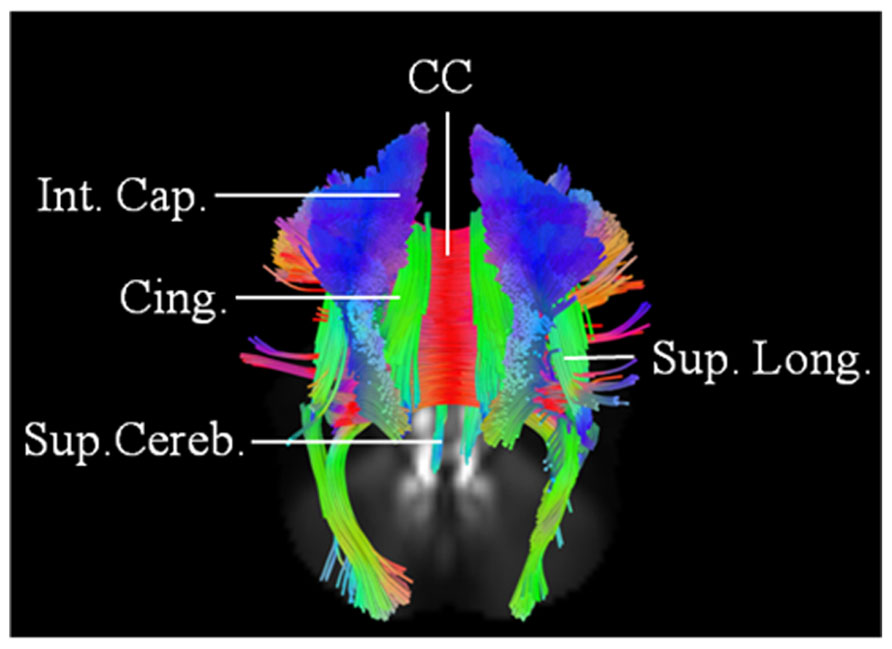
They use the large cohort study PPMI, which has recruited patients with early Parkinsons and used a technique called connectometry, which allows analysis of white matter tracts, the main pathways in the brain. A number of pathways were found to be significantly different between patients with different levels of smell loss. Tracts involving the limbic system, which mediates emotion, memory and some aspects of behaviour were particularly sensitive for early smell loss. This is an interesting finding as these areas are not traditionally associated with Parkinsons.

This is early work but as new techniques for MRI analysis continue to be developed and our ability to image these previously unseen parts of the brain develops we are getting a fuller picture of why these symptoms develop, how to measure them and fundamentally, how to prevent their degeneration.

Image result for connectometry
An Example of the Connectometry approach, showing tracts in the brain


Brain Imaging Behav. 2017 Nov 13. doi: 10.1007/s11682-017-9781-0. [Epub ahead of print]

Exploring white matter microstructure and olfaction dysfunction in early parkinson disease: diffusion MRI reveals new insight.

Sobhani S, Rahmani F, Aarabi MH, Sadr AV.

Olfaction dysfunction is considered as a robust marker of prodromal Parkinson disease (PD). Measurement of olfaction function as a screening test is unsatisfactory due to long lead time interval and low specificity for detection of PD. Use of imaging markers might yield more accurate predictive values and provide bases for combined use of imaging and clinical markers for early PD. Diffusion MRI connectometry was conducted on 85 de novo PD patients in and 36 healthy controls to find: first, white matter tracts with significant difference in quantitative anisotropy between PD groups with various degrees of olfaction dysfunction and second, second fibers with correlation with University of Pennsylvania Smell Identification Test (UPSIT) score in each group using a multiple regression analysis considering age, sex, GDS and MoCA score. Local connectomes were determined in seven of all the possible comparisons, correcting for false discovery rate (FDR). PD patients with anosmia and normal olfaction had the highest number of fibers with decreased connectivity in left inferior longitudinal fasciculus, bilateral fornix, bilateral middle cerebellar peduncle (MCP), bilateral cingulum, bilateral corticospinal tract (CST) and body, genu and splenium of corpus callosum (CC) (FDR = 0.0013). In multiple regression analysis, connectivity in the body, genu and splenium of CC and bilateral fornix had significant negative correlation (FDR between 0.019 and 0.083), and bilateral cingulum and MCP had significant positive correlation (FDR between 0.022 and 0.092) with UPSIT score. White matter connectivity in healthy controls could not be predicted by UPSIT score using the same model. The results of this study provide compelling evidence that microstructural degenerative changes in these areas underlie the clinical phenotype of prodromal olfaction dysfunction in PD and that diffusion parameters of these areas might be able to serve as signature markers for early detection of PD. This is the first report that confirms a discriminative role for UPSIT score in identifying PD specific changes in white matter microstructure. Our results open a window to identify microstructural signatures of prodromal PD in white matter.

Wednesday, 29 November 2017

Food for thought


The race is on, and waiting for the start gun is a loser’s strategy!

At least this is true in the race to beat neurodegenerative diseases such as Alzheimer’s disease or Parkinson’s. Many studies to stop or slow these conditions have failed when they recruit people with established disease. By this point the disease-causing proteins (β-amyloid and tau in the case of Alzheimer’s and α-synuclein in the case of Parkinson’s) are too widespread for benefit to be noticeable. The best metaphor I’ve heard is that it is easier to blow out a match than put out a forest fire.
This week sees the open access publication of a nutritional supplement for prodromal Alzheimer’s disease. Participants were recruited if they fulfilled one of the internationally agreed definitions of Prodromal Alzheimers. To do this they needed some memory impairment that wasn’t severe enough to impact on their daily life, and some other evidence of underlying Alzheimer’s. This could be MRI, amyloid-specific PET scans or spinal fluid findings supportive of Alzheimer’s. Participants either drank a nutritional supplement, that has been designed to give large doses of micronutrients that theoretically counteract some of the damage caused by Alzheimers, or a similar tasting placebo drink. They had neuropsychological assessments at 6 months, 1 year and 2 years from the start.
Unfortunately, this study didn’t reach its primary endpoint of improved composite scores of the neuropsychological testing. However, it also had several secondary outcomes, and they did find that the people taking the supplement had a relative preservation of the hippocampal volume on MRI scans after 2 years compared to those taking placebo. The hippocampus is a brain structure that is central to memory, and is usually found to be shrunken in brain scans of people with Alzheimer’s.
So is this study the death knell for the supplement, especially after studies of its effects in people with established disease also failed to meet their primary target? Well, not necessarily. This study used ‘surrogate outcome measures’. The real question in disease preventing trials is: did the intervention prevent the disease? When dealing with a ‘prodromal’ or ‘prediagnostic’ condition, this might take many years. Clinical trials are incredibily expensive and labour intensive to run and so often use surrogate measures to shorten the duration of the study. This is akin to saying “I can run a mile in 5 minutes, therefore I can run a marathon in 2 hours 10 minutes.” This is misleading, as the two are not necessarily compatible enough to know that performance in one test is indicative of the other. Secondly, the fact that there was less shrinking of a key, and relevant, brain structure suggests that there might be some benefit. There are extension studies that are ongoing and data will be published when those are complete. We eagerly await their results.
As a final thought, this study lends strong support to our endeavours at PREDICT-PD, and those of others around the world. There is a strong desire to get a robust method of diagnosing Parkinson’s. This is not just an abstract academic exercise, but is of key concern to the public and pre-diagnostic states are being carefully examined by industry too. It is essential to bring together all three groups of stakeholders if we are to succeed in our fight against these neurodegenerative diseases.

RNR


Soininen H, Solomon A, Visser PJ, Hendrix SB, Blennow K, Kivipelto M, et al. 24-month intervention with a specific multinutrient in people with prodromal Alzheimer's disease (LipiDiDiet): a randomised, double-blind, controlled trial. The Lancet Neurology. 2017 Dec;16(12):965–75. 


BACKGROUND:Nutrition is an important modifiable risk factor in Alzheimer's disease. Previous trials of the multinutrient Fortasyn Connect showed benefits in mild Alzheimer's disease dementia. LipiDiDiet investigated the effects of Fortasyn Connect on cognition and related measures in prodromal Alzheimer's disease. Here, we report the 24-month results of the trial.

METHODS:LipiDiDiet was a 24-month randomised, controlled, double-blind, parallel-group, multicentre trial (11 sites in Finland, Germany, the Netherlands, and Sweden), with optional 12-month double-blind extensions. The trial enrolled individuals with prodromal Alzheimer's disease, defined according to the International Working Group (IWG)-1 criteria. Participants were randomly assigned (1:1) to active product (125 mL once-a-day drink containing Fortasyn Connect) or control product. Randomisation was computer-generated centrally in blocks of four, stratified by site. All study personnel and participants were masked to treatment assignment. The primary endpoint was change in a neuropsychological test battery (NTB) score. Analysis was by modified intention to treat. Safety analyses included all participants who consumed at least one study product dose. This trial is registered with the Dutch Trial Register, number NTR1705.

FINDINGS:Between April 20, 2009, and July 3, 2013, 311 of 382 participants screened were randomly assigned to the active group (n=153) or control group (n=158). Mean change in NTB primary endpoint was -0·028 (SD 0·453) in the active group and -0·108 (0·528) in the control group; estimated mean treatment difference was 0·098 (95% CI -0·041 to 0·237; p=0·166). The decline in the control group was less than the prestudy estimate of -0·4 during 24 months. 66 (21%) participants dropped out of the study. Serious adverse events occurred in 34 (22%) participants in the active group and 30 (19%) in control group (p=0·487), none of which were regarded as related to the study intervention.

INTERPRETATION:The intervention had no significant effect on the NTB primary endpoint over 2 years in prodromal Alzheimer's disease. However, cognitive decline in this population was much lower than expected, rendering the primary endpoint inadequately powered. Group differences on secondary endpoints of disease progression measuring cognition and function and hippocampal atrophy were observed. Further study of nutritional approaches with larger sample sizes, longer duration, or a primary endpoint more sensitive in this pre-dementia population, is needed.


FUNDING:European Commission 7th Framework Programme.

Friday, 24 November 2017

Alzheimers and Parkinsons: More in common than that which divides?

Both have eponymous names and are linked by neurodegeneration with the build up of abnormal protein deposition. However, Parkinsons and Alzheimers are often studied as separate entities due to clinical symptoms and the different types of proteins which build up - amyloid and tau in Alzheimer's and alpha-synuclein in Parkinson's.

With more recognition of cognitive problems in Parkinsons, however, the question of whether these could be partly caused by Alzheimer's-type pathology has intrigued scientists. We know in Lewy Body Disease, there is evidence of amyloid as well as alpha-synuclein pathology. However, many studies and risk scores looking to predict Parkinson's patients who are more prone to dementia have not included these features - for example this risk score looked at clinical features such as age and cognitive score at baseline http://predictpd.blogspot.co.uk/2017/09/predicting-cognition-in-parkinsons.html.

This study, from investigators in Pennsylvania, specifically looked at whether biomarkers associated with Alzheimer's had any bearing on subsequent development of dementia. 100 Parkinson's patients had genetic blood tests and biochemical spinal fluid tests as well as clinical examination. Of 16 biomarkers assessed, 6 were associated with cognitive decline: total daily dose of dopamine, presence of hallucinations, APOE E4 genotype, COMT genotype, lower CSF Aβ levels, and MRI measure of atrophy. APOE genotype (the commonest sporadic Alzheimers risk gene) had the strongest impact.

This is important in the clinic - assessing for hallucinations and monitoring for cognitive decline in these patients. But also highlights the importance of building connections between the Alzheimers and Parkinsons research communities. Most excitingly, it suggests that treatments currently being developed for Alzheimers may have some role in Parkinsons in the future too.
 
-Anna


Mov Disord. 2017 Nov 23. doi: 10.1002/mds.27204. [Epub ahead of print]

APOE, thought disorder, and SPARE-AD predict cognitive decline in established Parkinson's disease.

Tropea TF, Xie SX, Rick J, Chahine LM, Dahodwala N, Doshi J, Davatzikos C, Shaw LM, Van Deerlin V, Trojanowski JQ, Weintraub D, Chen-Plotkin AS.

BACKGROUND:
People with PD are at high risk of developing cognitive impairment and dementia. Cross-sectional studies have identified candidate biomarkers associated with cognitive decline. However, longitudinal studies on this topic are rarer, and few have investigated the use of biomarker panels encompassing multiple modalities. The objective of this study was to find baseline predictors of cognitive decline in longitudinally followed, nondemented Parkinson's disease patients.
METHODS:
We performed a prospective cohort study of 100 PD patients with a median disease duration of 6.4 years. All participants were nondemented at baseline. We examined 16 baseline biomarkers from clinical, genetic, biochemical, and MRI-based imaging modalities for their association with longitudinal cognitive decline for up to 8 years. We investigated biomarkers individually, as well as in a multivariate linear mixed-effects model encompassing multimodal biomarkers, with change in the Mattis Dementia Rating Scale-2 over time as the primary outcome. Annual consensus process-derived cognitive diagnosis was used for Cox proportional hazards modeling of risk for cognitive decline.
RESULTS:
In multivariate analysis, the presence of the APOE E4 allele, thought disorder, and an Alzheimer's disease pattern of brain atrophy (spatial pattern of abnormality for recognition of early Alzheimer's disease index) best predicted cognitive decline, with APOE E4 genotype exerting the greatest effect. The presence of the APOE E4 allele was associated with a 3.5 times higher risk of worsening cognitive diagnosis over time (HR, 3.53; 95% CI, 1.52-8.24; P < 0.05). The APOE genotype effect was not specific to any Mattis Dementia Rating Scale-2 domain.
CONCLUSIONS:
Our results confirm the importance of Alzheimer's disease biomarkers as risk factors for cognitive decline in established Parkinson's disease. © 2017 International Parkinson and Movement Disorder Society.

Tuesday, 21 November 2017

Please put your cancer in the bagging area

The news this morning carries reports of cancer screening units being located in shopping center car parks. This comes from repeat observations that the in UK, too high a number of people have cancer diagnosed in an emergency admission to hospital, where the condition is potentially too late for curative treatment.
By widening access to tests that can accurately and safely pick up cancer, the theory goes that you can then treat it at an earlier stage, with greater chance of cure, fewer potential side effects, and less cost all round. Everyone is a winner.

This is the premise that we at PREDICT-PD, along with many others around the world are working towards in the ‘war on neurodegenerative diseases’ such as Parkinson’s and Alzheimer’s diseases. Disease modifying trials in Alzheimer’s failed to meet their primary end point and one of the lessons that the research community is learning is that established disease may be too late for disease modifying therapies to be effective. This is most likely due to the irreversible buildup of the disease-causing proteins that ‘clog up’ the brain.  

One word of caution in the cancer tale, is the concept of lead-time bias. If a person dies of cancer age 85 and the cancer is picked up at the age of 83, they are said to have survived for 2 years. Now if their cancer is picked up at the age of 80, but despite treatment, they still die at the age of 85, it looks like they have survived over twice as long, yet they haven’t lived any longer! In simple terms, it is a way to make the headlines look better, wihtout changing the story. This is of great relevance in cancers, especially aggressive ones, but in neurodegenerative disease, identifying the pre-diagnostic or prodromal phase, will be vital for trialing new treatments that do change the course of the disease, and put off the time at which the sypmtoms of Parkinson’s or Alzheimer’s impact on the lives of people with the condition, as well as their families.

RNR

For more information:


Mild Parkinsonian Signs in a Community Population

One question that many of the PREDICT-PD participants ask me is “I am slower than I used to be, does it mean that I am getting Parkinson’...