Tuesday, 26 February 2019

PLAIN ENGLISH - Risk scoring for future Parkinson's in General Practice Records

It has been a quiet month on the blog, but it is a consequence of us working hard, rather than having too much leisure time 😇

In this post we are looking at some of our own work, led by Professor Anette Schrag from the PREDICT-PD study.

Here Anette and colleagues looked at routinely collected data from General Practice medical records. They identified >8000 people who had been diagnosed with Parkinson's and >46,000 people who had not been diagnosed with Parkinson's. Then they looked back in time (in the records) to build a risk score based on the various events that occurred prior to the diagnosis of Parkinson's. As we have reported previously on this blog, things like tremor, constipation, depression, and urinary problems (and many more things) contributed to the score. The scoring process worked well overall. 

Of course we do something very similar in the PREDICT-PD, except here people take part online and answer questionnaires and complete online tests that all contribute to an individual score... we are actively recruiting and you can take part at predictpd.com.

- Alastair Noyce


Predicting diagnosis of Parkinson's disease: A risk algorithm based on primary care presentations.
Mov Disord. 2019 Feb 8. doi: 10.1002/mds.27616. [Epub ahead of print] 

Schrag A, Anastasiou Z, Ambler G, Noyce A, Walters K. 

BACKGROUND: Diagnosis of Parkinson's disease (PD) is typically preceded by nonspecific presentations in primary care. OBJECTIVES: The objective of this study was to develop and validate a prediction model for diagnosis of PD based on presentations in primary care. 

SETTING: The settings were general practices providing data for The Health Improvement Network UK primary care database. 

METHODS: Data from 8,166 patients aged older than age 50 years with incident diagnosis of PD and 46,755 controls were analyzed. Likelihood ratios, sensitivity, specificity, and positive and negative predictive values for individual symptoms and combinations of presentations were calculated. An algorithm for risk of diagnosis of PD within 5 years was calculated using multivariate logistic regression analysis. Split sample analysis was used for model validation with a 70% development sample and a 30% validation sample. 

RESULTS: Presentations independently and significantly associated with later diagnosis of PD in multivariate analysis were tremor, constipation, depression or anxiety, fatigue, dizziness, urinary dysfunction, balance problems, memory problems and cognitive decline, hypotension, rigidity, and hypersalivation. The discrimination and calibration of the risk algorithm were good with an area under the curve of 0.80 (95% confidence interval 0.78-0.81). At a threshold of 5%, 37% of those classified as high risk would be diagnosed with PD within 5 years and 99% of those who were not classified as high risk would not be diagnosed with PD. 

CONCLUSION: This risk algorithm applied to routine primary care presentations can identify individuals at increased risk of diagnosis of PD within 5 years to allow for monitoring and earlier diagnosis of PD. 


Percentage patients with Parkinson's and non-patients with various potential early symptoms.

© 2019 The Authors. Movement Disorders published by Wiley Periodicals, Inc. on behalf of International Parkinson and Movement Disorder Society.

Thursday, 31 January 2019

A horse from our own stable: In memory of Tom Isaacs

We are delighted that one of our reviews has been published by the European Journal of Neuroscience: The Prodromes of Parkinson's.

This article is part of a special edition dedicated to the memory of Tom Isaacs. He was a shining light in the Parkinson's community. Having Parkinson's himself, he grew frustrated with the slow progress of research, and set up his own charity - The Cure Parkinson's Trust. The aim of the Cure Parkinson's Trust is to slow, halt or cure Parkinson's and only fund research that has the potential to do that. Tom's vision in creating and leading the Trust has changed the landscape of Parkinson's research and we are getting closer to achieving his dream. 

We are honoured to have been part of this evidence-based memorial to Tom. In this article we highlight the evidence of the stage before Parkinson's symptoms lead to a positive diagnosis - the prodromal phase. We look in particular at people with smell loss, individuals who have a particular sleep disorder (Rapid Eye Movement Sleep Behavioural Disorder) and some genetic causes of Parkinson's. 

It is increasingly clear that Parkinson's is an umbrella term for different sub-types of the pathology - in a group of people with Parkinson's, very few will have exactly the same features as each other. Even tremor - what most people think is the quintessential feature of Parkinson's, is totally absent in some individuals. Therefore, it stands to reason that there are different prodromal phases too. This is work that we are currently exploring, especially with our work with people with smell loss and with this sleep disorder. We hope to find out what are the markers that separate these groups, and what might shape the kind of Parkinson's that different people get.

The article is open access, thanks to the generous support of Parkinson's UK and can be found here.

Tuesday, 29 January 2019

Housekeeping

Dear reader, 

Unfortunately we've been targeted by a spam bot. We have deleted over 2000 spam messages and we apologise if we have inadvertently deleted any of your genuine messages in the process.

We have also changed the settings to reduce the amount of spam messages that are displayed.

Thank you for your understanding.

Please can we take this opportunity to thank you for your participation in our research, and if you know anyone who is age 60-80, lives in the UK and doesn't have Parkinson's, please encourage them to take part in the study at www.predictpd.com

Predict-PD

Wednesday, 23 January 2019

A scan to predict dementia?

We know that Parkinson's is caused by damage to a small area at the base of the brain known as the Substantia Nigra, which contains cells that produce the chemical messenger dopamine. However, this is not the entire picture, and we believe that other brain structures and chemicals may be involved in causing the variety of different symptoms we see in patients. 

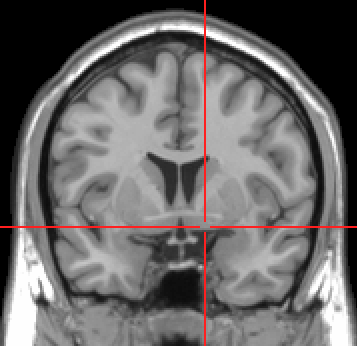
One of the key questions for us in predicting what might happen to patients in the future is whether there is damage that can be found at an early stage, before patients start having problems.  A recent study used hundreds of MRI scans from people with Parkinson's to look at another small structure deep in the brain, named the Nucleus Basalis of Meynert. This is shown in the MRI image below.

https://upload.wikimedia.org/wikipedia/commons/3/36/Substantia_innominata_MRI.PNG
Nucleus Basalis of Meynert
When this team looked at many different brain structures, it was only the size of this part of the brain that could predict whether patients would go on to develop problems with thinking and processing information. This ties in with other work showing this part of the brain plays a key role in different types of dementia as well as our knowledge that a drug which targets the main chemical found in this part of the brain, acetylcholine, is effective in Parkinson's Disease with dementia. 

As researchers continue to put together these kinds of findings, we can develop increasingly accurate ways to predict disease and ultimately ensure that the right people have access to treatments at the earliest stages. 

If you're interested in reading more, here is the link to the article https://academic.oup.com/brain/article/141/5/1501/4944714 

-Anna


Friday, 18 January 2019

Great Debates

While there are many great debates happening this week in the UK, perhaps the most interesting happened at today’s biannual meeting of the Association of British Neurologists Movement Disorders Special Interest Group, held in the beautiful Oxford Town Hall. The opening session of the meeting was a debate between two giants of the international Parkinson’s world: Professor Donald Grosset from Glasgow, and Professor Ron Postuma from Montreal.

The topic they were debating was “Should research focus on prodromal disease prevention or improving symptomatic therapies?” Professor Grosset set out the reasons for focussing on better treatments in the complex phase of the disease – when the treatments that we have either fail to work or side effects become increasingly troublesome and diffucult to manage. He also pointed out the near-total lack of well-proven treatments for many of the non-motor aspects of Parkinson’s (a point we have laboured in previous blog posts here). He suggested that detection of the prodromal stage was hit-and-miss and that the best case scenario was that trials in this group would costs hundreds of millions of pounds which would be better served investing in treatments for people with definite Parkinson’s.

Ron Postuma countered his argument and opened with the metaphor central to preventive medicine: people are falling over a waterfall and nearly drowning in the pool below. A man is pulling them out one by one and calls to a bystander to help. The bystander walks away, but returns at the top of the waterfall to stop people from falling down in the first place. Although  this metaphor may seem simplistic, it highlights the importance of focussing on the earliest stages. He went on to simplify the drug treatment of established Parkinson’s as “playing with neurotransmitters” – and no matter how successful one might be at doing that, there is an underlying progression of brain death. To deal with that means to effect a change before disease causing cascade of events has become unstoppable – i.e. in the earliest (prodromal) stages. Finally, he highlighted the seismic changes that have occurred in medicine in the last two generations. Penicillin used to be so expensive that patients given penicillin had their urine collected, the excreted penicillin extracted and given back to the patients to make each vial go further. Wards for women with infected wombs after miscarriages who would almost inevitably succumb to their infections closed within weeks. The AIDS wards that were in most hospitals in the 70s and 80s were empty just a few years after HIV medication started being used. New treatments for advanced cancer have changed the landscape for some of these diseases (including nilotonib which is currently being trialed in Parkinson’s), and the last two years has brought these game-changing experiences to neurological diseases with drugs such as Nucinercin – effectively curing an incurable genetic condition that killed children in their first few years. The message, he said, was clear – things we now take for granted were once hard and very expensive, and for Parkinson’s there is change on the horizon.

The rest of the meeting continued with many other fascinating and useful talks from some of the leaders of British neurology, and has offered many insights and ideas that we at Predict-PD can use to help bring us closer to a robust identificaiton of prodromal Prkinson’s and therefore, another step closer to a cure.

RNR

Tuesday, 15 January 2019

PLAIN ENGLISH: Gout and the risk of Parkinson's disease in older adults

First blog post of the year from me and, after feedback from literally everyone, I will be making a concerted effort to make them easy (easier) to understand. I can't get rid of the science I'm afraid... after all this is a research blog. But I (and we) can make bigger efforts to keep the focus on predicting Parkinson's, the PREDICT-PD study (predictpd.com) and related projects. 

The reason this blog was started was to help researchers, patients and the public understand how we use and weigh emerging research, which in turn informs our approach to our work on Parkinson's.

Take this study as an example... it looked at health insurance claims data from the USA over a 6 year period. The researchers looked at the link between claims for gout and subsequent claims for Parkinson's. They observed that, compared to people that made claims for other illnesses, people that claimed for gout were more likely to claim for Parkinson's in subsequent years. This in turn offers a weak suggestion that gout might be in some way linked with a higher risk of Parkinson's. However... we also know that this is only part of a much bigger story.

The biggest determinant of gout is the amount of a chemical in the blood known as uric acid. Generally speaking, people with higher levels of uric acid are more likely to have gout. It has also been noted on multiple occasions that people with Parkinson's tend to have lower levels of uric acid (both after diagnosis and in the years before)... which in turn has led to strategies to try and boost uric acid levels to treat Parkinson's (without introducing gout). 

So how does that make any sense at all?? High uric acid is associated with an increase in gout, gout is associated with an increase of Parkinson's, but Parkinson's is associated with low uric acid levels...?? We seem to be going in circles. 

But what if the explanation is simple... what if Parkinson's disease consumes uric acid and makes it look like low levels of uric acid are causing Parkinson's, when in fact it is the other way around? There have been similar examples in cancer where vitamin E was noted to be low in people that had prostate cancer, leading to the suggestion of supplementing vitamin E to reduce cancer. Instead the cancer rates appeared to increase... so it wasn't that low vitamin E was causing cancer... it was cancer consuming vitamin E and supplementing vitamin E only added more fuel to the fire.

If for some reason Parkinson's consumes uric acid, then gout may actually increase the risk of being diagnosed with Parkinson's and strategies to boost uric acid to treat or protect against Parkinson's may not lead to benefit and have the opposite effect...

Of course, this is speculation and certainly not the final say on the matter. Further research will likely reveal the truth over time...

- Alastair Noyce


BMC Neurol. 2019 Jan 5;19(1):4. doi: 10.1186/s12883-018-1234-x.
Singh JA, Cleveland JD.

BACKGROUND: In the presence of limited available data, our objective was to assess the association of gout with the risk of incident Parkinson's disease (PD) in adults 65 years or older.

METHODS: We used the 5% random sample of Medicare claims data from 2006 to 2012 to examine the association of gout with incident PD. The multivariable Cox regression model adjusted for demographics, comorbidity, and common cardiovascular disease and gout medications. We calculated hazard ratios (HR) and 95% confidence interval (CI). Sensitivity analyses adjusted for comorbidity categorically, or individually and for additional cardiovascular comorbidities.

RESULTS: In a cohort study, 1.72 million Medicare beneficiaries were eligible. The mean age was 75 years (standard deviation [SD], 7.6), 58% were female, 86% were White and 37% had Charlson-Romano comorbidity index score of ≥2. We found that 22,636 people developed incident PD, 1129 with gout and 21,507 without gout. The respective crude incidence rates of incident PD were 3.7 vs. 2.2 per 1000 person-years. We found that gout was associated with 1.14-times higher hazard ratio (95% CI, 1.07, 1.21) of PD in the main analysis; findings were confirmed in sensitivity analyses. We noted that the risk differed slightly by age; ages 65-75, 75-85 and > 85 had hazard ratios of incident PD with gout of 1.27 (95% CI, 1.16, 1.39), 1.07 (95% CI, 0.97, 1.16) and 0.97 (95% CI, 0.79, 1.20), respectively, but no gender or race differences were noted.

CONCLUSIONS: Gout was associated with a higher risk of incident PD in older adults, with the risk being significant in the age group 65-75 years. Future studies need to assess the mechanisms of this increased risk.

Monday, 14 January 2019

The hard miles

Happy new year to you all. I hope you have had a good start to the year.

2018 was a busy year for us. In this map, we have highlighted all the participants we have visited at their homes. The red markers are our participants with idiopathic anosmia (smell loss) and the blue markers are regular members of the Predict-PD study. Between us we have travelled literally thousands of miles.

The information we have collected will be vital in helping to define the 'prodromal phase' of Parkinson's, and potentially identifying key features that might allow identification of early Parkinson's. This will be vital in getting the right people into trials of potentially disease modifying treatments.


This study is funded by Parkinson's UK. Many of us in the research team are also movement disorders neurologists and see people with Parkinson's in clinic, and we see the benefits that Parkinson's UK also provide to individuals and even at a national policy level. I am running the 2019 Virgin Money London Marathon for Parkinson's UK, and training is going well. This weekend the charity held a 'preparation day' for its runners in the London and Brighton marathons. I had the wonderful opportunity to spend a few minutes telling them about the world-leading research we are doing at Predict-PD, and encouraging them to tell all their friends and family age 60-80 years about the study. It was very special to share the study with a group of such motivated and interested people, and showcase the work that we do. They were a mix of men and women of all ages, some of whom are running their first marathon (having never run 5km before), others are running their 30th full marathon this year. Some had relatives or friends with Parkinson's, others had Parkinson's themselves - all had a deep connection with the condition. I wish them all the best of luck with their training and look forward to seeing them at the finish line on the 28th April.

Because this post is getting perilously close to having no stats, here are some of mine since starting my training programme on Christmas day:
Total miles: 114.26
Total time running:  15 hours 8 minutes
Total calories burned: 11,206

2019 is another year of progress - please help us by encouraging everyone you know, age 60-80 to go to www.predictpd.com and take part!

RNR

Monday, 24 December 2018

A few personal thoughts to round the year off.

At Predict-PD Towers we have had a busy and successful year. We have rebuilt the website from scratch, taking the opportunity to really review all the questions in the surveys, and select the very best questions to help us answer our research questions. We have pioneered new techniques that are now included in the website, including an online trailmaking task and making the tap-test even better. We have made excellent progress with the imaging substudy: selecting some high risk and similar low risk controls to see if we can see some of the early changes associated with Parkinson’s using cutting edge MRI techniques. We’ve been travelling the length and breadth of the country seeing many of the participants in our ‘special groups’: people with smell loss, and people with a certain kind of sleep disorder, to conduct physical and cognitive examinations in their own homes. We have grown our team allowing us to do similar in person assessments in the homes of many of our ‘regular’ participants, and now have some specialist statistical and techincal data management help. Most crucially of all, we have launched the second phase of the study, in which we aim to recruit 10,000 new participants aged 60-80 – please spread the word, and encourage as many friends and relatives to head to the website (www.predictpd.com) and consider taking part. It takes only about 25 minutes and could potentially change the future of Parkinson’s disease.

I also wanted to reflect on the festive period and what advice or suggestions I could make to individuals or families with someone who has Parkinson’s.

Christmas is a time for family and celebration. When someone has Parkinson’s not only can movement be slow, but many non-motor symptoms can make this time of year hard. Depression, apathy and difficulty keeping up with conversations can make participation in family events so much harder. If Parkinson’s affects your family, friends or neighbours, please try and make the effort not to leave them behind. Social and physical exercise are vital to people with Parkinson’s, so make the effort to make that easy. The post-Christmas lunch walk may doesn’t need to be fast, but by making it inclusive you’ll make a real difference.

Another, far less pleasant aspect of this time of year, is flu. Flu continues to be a significant cause of illness and even death, and although there is no magic bullet, for many people it is potentially preventable. The simplest things are the most effective: handwashing with soap and water (especially after using public transport, before eating, and after coughing and sneezing), using disposable tissues (catch it, bin it, kill it), and the flu jab. It is worth busting a few common flu-jab myths: the immunisation does not contain the live virus – therefore you cannot catch the flu from the jab. While the recommended time to have the jab is October – November, flu cases continue to be common all the way through to the end of March, so better late than never. Each year the vaccine covers different strains of the flu, so that is why it is recommended to have it every year. This also means that the vaccine won’t protect you from evey strain  of flu (there are hundreds), but it will protect you from the ones that are likely to be the most common each year. Being otherwise healthy doesn’t protect you: despite running around 50 miles a week and generally enjoying excellent health, I’ve had a grotty end to the year, with the flu, which then predisposed me to pneumonia (and as a responsible health professional, yes I did get the jab in October, but that just means I was unlucky, and would still recommend it). 

We are of course indebted and grateful to Parkinson's UK for the funding that has allowed us to do this research, and for the support they continue to give. I'm looking forward to my first training run on Christmas day for the London Marathon, where I'll be aiming to break both my targets: under 3 hour finishing time and over £2500 for Parkinson's UK (http://bit.ly/RNR4Parkinsons for those that are interested).

Finally, from the entire team at Predict-PD, we thank you for your interest and participation throughout this year, and wish you and your family a very merry Christmas, and a happy and healthy 2019.

RNR

Thursday, 20 December 2018

Gout again.. and is work affected by early Parkinson's?

After my positive blog-post on uric acid a while ago, we have another reminder that unfortunately in research things are often not so simple, especially when moving from observational findings to affecting real-world changes. We are ending the year with another negative trial in Parkinson's - it's recently been announced that the trial of urate-elevating drug Inosine is ending early as the investigators don't believe that the trial will achieve it's stated goal of slowing progression of Parkinson's. Alastair's paper on the causal relationship between urate levels and Parkinson's https://www.ncbi.nlm.nih.gov/pubmed/30014513 gave us a hint that uric acid, while associated with reduced risk, may not be directly causing this - so it's still important to understand more about these relationships and it will be instructive to read about the data that has been collected when this is published next year.

Talking of real-world impact, this interesting paper below explored the very real impact of early symptoms of Parkinson's disease on the workforce. At PREDICT-PD we are fascinated by what happens in the years before diagnosis of Parkinson's - a lot has been published on non-motor symptoms such as constipation, depression and sleep disorders - but not much on how this affects specific activities such as work. They looked at patients with Parkinson's who had to take sick leave and compared them to people who had taken sick leave for other reasons. Those with Parkinson's sick leave were more likely in the preceeding 5 years to have taken sick leave for reasons other than Parkinson's and more likely to have taken sick leave for musculoskeletal issues in particular. Given that the study was only able to look at sick-leave episodes exceeding 14 days, it illustrates the significant impact that these symptoms are having on patients in the early disease and even before diagnosis.

On a more positive note as we look towards the end of the year and Christmas, we are very pleased that recruitment is ramping up for the next stage of the PREDICT-PD project. We are working towards new publications of our own data in the coming months and we'd like to thank all for their ongoing support. If you or any family members are interested, please do have a look on www.predictpd.com.

Reduced workforce participation 5 years prior to first Parkinson’s disease sick-leave 

Jonathan Timpka, Örjan Dahlström, Armin Spreco, Maria H. Nilsson, Susanne Iwarsson, Toomas Timpka & Per Odin
https://www.nature.com/articles/s41531-018-0072-2 

Wishing you all the best over the festive season.

-anna 


Thursday, 6 December 2018

Motivation to exercise

Exercise is known to have many benefits to people with and without Parkinsons. In Parkinsons it is known to improve slowness of movement, balance, mood, memory and quality of life. There is also some evidence that it might slow down the progression of the disease. So we know that exercise is good for people with Parkinsons, but we still aren't sure why.

One of the theories is that exercise might cause more dopamine to be released in the brain. Dopamine is the chemical that people with Parkinsons lack, and that is why giving medications which contain dopamine are an effective treatment for Parkinsons.

In this study from Canada they used a special scan and tracer to measure dopamine release in the brain before and after exercise in Parkinsons patients. They also compared how dopamine release differed between regular exercisers and more 'sedentary' participants.

They found that even before starting any exercise the regular exercisers had a higher level of dopamine in their caudate (the area of the brain associated with Parkinsons) than the sedentary participants. But when they looked at any differences in dopamine levels in other areas of the brain there was no difference between the two groups.

All the participants then had to cycle on an exercise bike for 30 minutes before they were re-scanned. The second scan found that both groups, as expected, had an increase in dopamine release in the brain. Interestingly the regular exercisers had a bigger increase in dopamine release in the brain, suggesting that regular exercisers get an even greater benefit from exercise.

This study could explain why people with Parkinsons notice that their symptoms improve with exercise. It is also possible that exercise could promote nerve cells to survive for longer. However the problem with this study is that it does not provide any evidence as to whether this is a cause or effect of exercise. In other words, does the exercise cause higher levels of dopamine in the brain or do the higher levels of dopamine in the brain make those Parkinsons patients more likely to exercise. Either way, whether you have Parkinsons or you don't, the evidence is overwhelming that moderate exercise is good for your whole body including your brain. So unless you have a compelling reason not to, its a good idea to get and hopefully stay active.


Mov Disord. 2018 Oct 30. doi: 10.1002/mds.27498. [Epub ahead of print]
Habitual exercisers versus sedentary subjects with Parkinson's Disease: Multimodal PET and fMRI study.
Sacheli MA1Murray DK1,2Vafai N3Cherkasova MV1Dinelle K3Shahinfard E1Neilson N1McKenzie J1Schulzer M1Appel-Cresswell S1,2McKeown MJ1,2Sossi V3Jon Stoessl A1,2.
Author information
Abstract
BACKGROUND:
The benefits of exercise in PD have been linked to enhanced dopamine (DA) transmission in the striatum.
OBJECTIVE:
To examine differences in DA release, reward signaling, and clinical features between habitual exercisers and sedentary subjects with PD.
METHODS:
Eight habitual exercisers and 9 sedentary subjects completed [11 C]raclopride PET scans before and after stationary cycling to determine exercise-induced release of endogenous DA in the dorsal striatum. Additionally, functional MRI assessed ventral striatum activation during reward anticipation. All participants completed motor (UPDRS III; finger tapping; and timed-up-and-go) and nonmotor (Beck Depression Inventory; Starkstein Apathy Scale) assessments.
RESULTS:
[11 C]Raclopride analysis before and after stationary cycling demonstrated greater DA release in the caudate nuclei of habitual exercisers compared to sedentary subjects (P < 0.05). Habitual exercisers revealed greater activation of ventral striatum during the functional MRI reward task (P < 0.05) and lower apathy (P < 0.05) and bradykinesia (P < 0.05) scores versus sedentary subjects.
CONCLUSIONS:
Habitual exercise is associated with preservation of motor and nonmotor function, possibly mediated by increased DA release. This study formulates a foundation for prospective, randomized controlled studies


Sunday, 18 November 2018

The prodromes of Parkinson's

Following on nicely from our last post, we are delighted to publicise our latest peer-reviewed publication.

This will come out in a special edition of the European Journal of Neuroscience, dedicated to the memory of Tom Isaacs. Tom was the founder and leader of the Cure Parkinson's Trust - a truly dynamic leader and a real disruptive presence (in all the right ways) within  Parkinson's research. We are honoured to have our names and our ideas as testimonial to him in this way.

It is clear that Parkinson's is more of an umbrella condition than one single entity. For instance, some people have significant tremor, while others have none. Some progress very slowly, and a decade from diagnosis have barely any more symptoms - others progress more quickly. For many Parkinson's affects mainly movement while others have many non-motor symptoms. It is likely (although not yet proven) that these different subtypes of Parkinson's have a different underlying process causing them.

It therefore stands to reason that the earliest phases are also different. In our article we lay out the evidence that Parkinson's that comes from people with a particular kind of sleep disorder (REM sleep behavioural disorder), smell loss, and genetic forms do all look different. The evidence is not bomb-proof, but in Predict-PD we will be able to shed light on both the sleep disorder, smell loss and try and pick apart differences in the general population.

To see the article, please see the journal website. Please also remember to talk to friends and family to read more about the study and sign up themselves: www.predictpd.com

RNR


Mild Parkinsonian Signs in a Community Population

One question that many of the PREDICT-PD participants ask me is “I am slower than I used to be, does it mean that I am getting Parkinson’...